
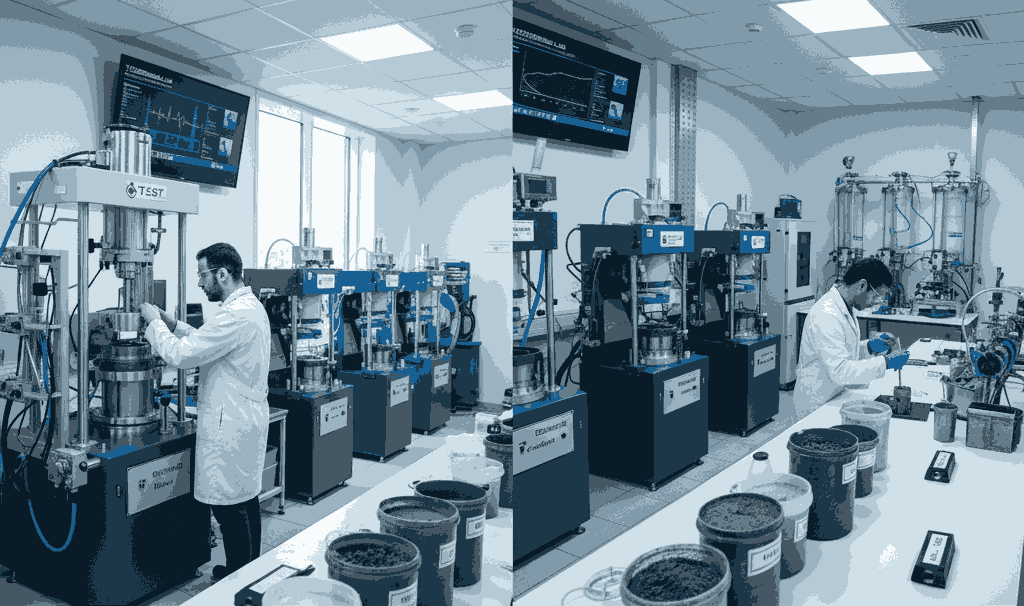
Timely Engineering Soil Tests, LLC
Soil Corrosivity & Thermal Resistivity Testing
We conduct specialized laboratory tests to assess soil corrosivity and thermal resistivity, crucial for the design and protection of buried infrastructure and electrical systems.
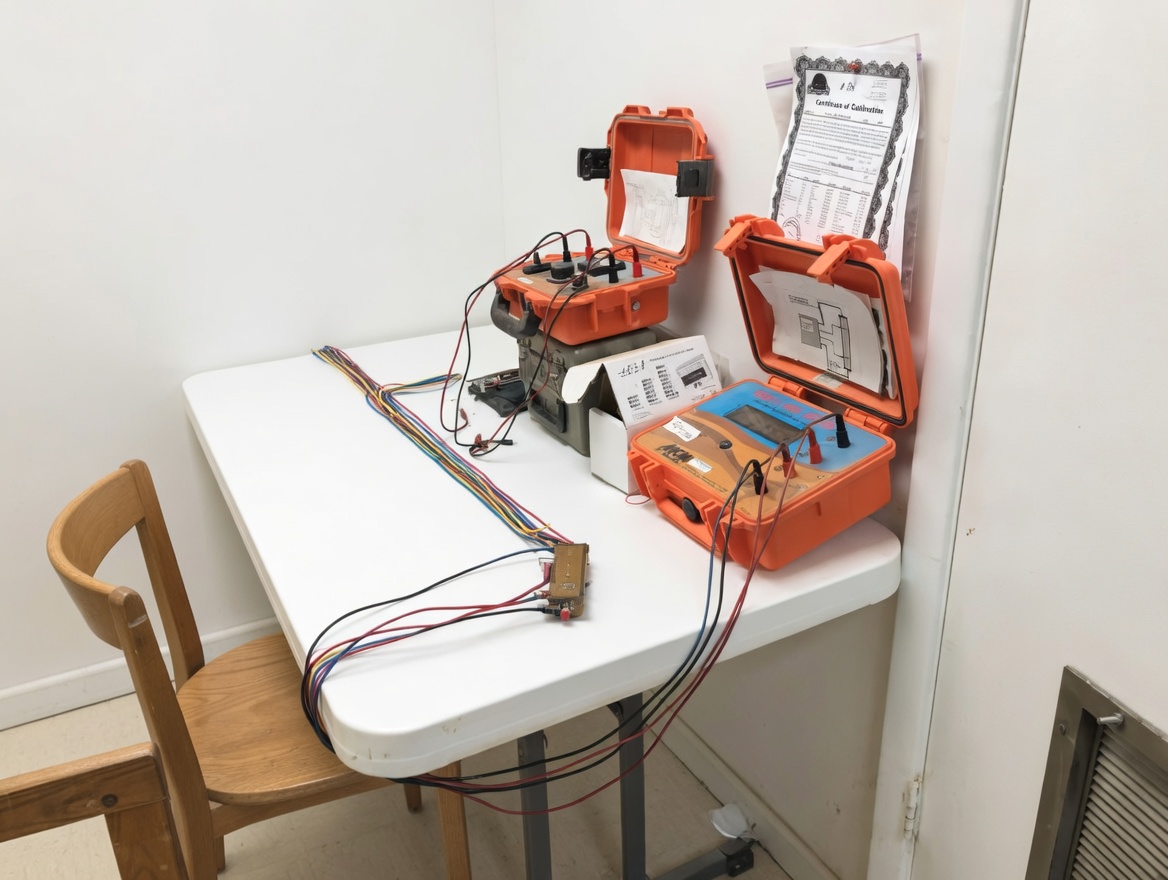
Minimum Laboratory Soil Resistivity
This test determines a soil's minimum resistivity, crucial for assessing its corrosivity and identifying conditions that may accelerate metal corrosion in buried structures.
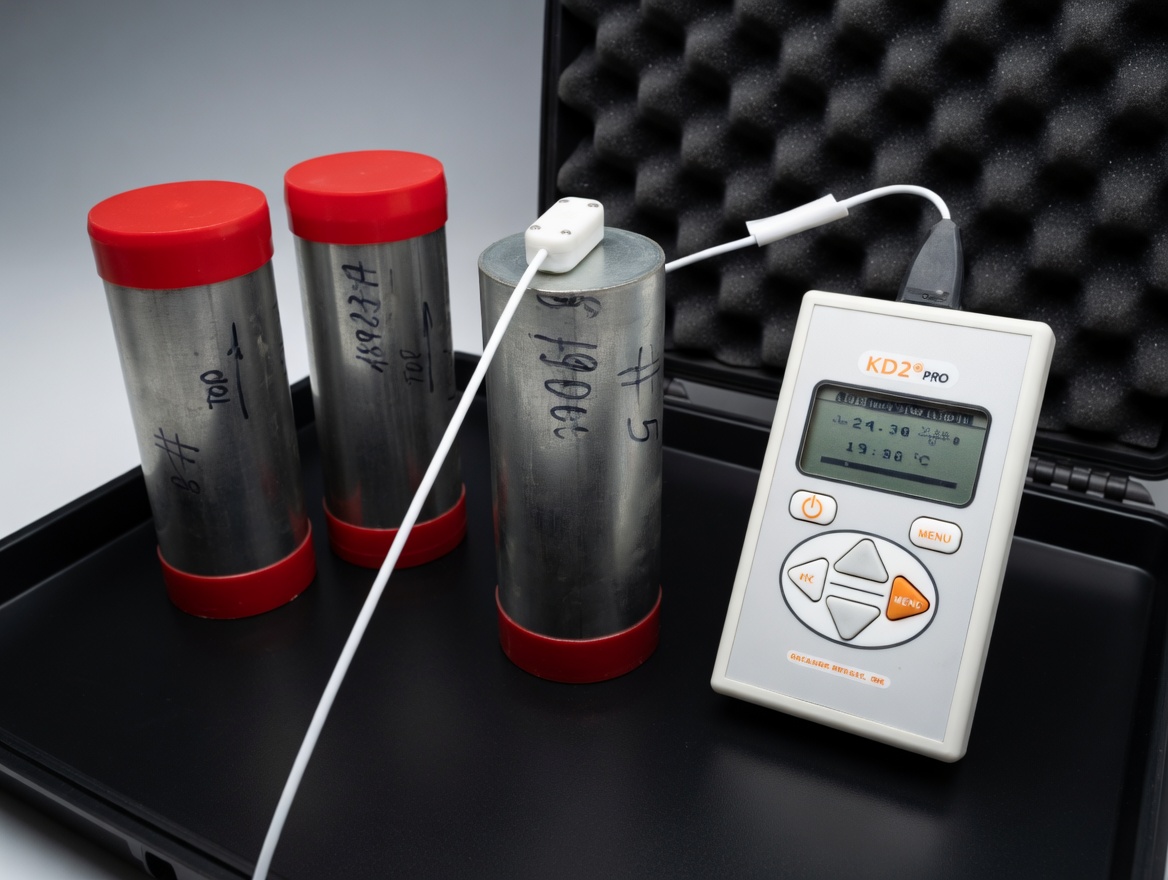
Thermal Conductivity of Soil and Soft Rock by Thermal Needle Probe
This method uses a transient heat probe to determine the thermal conductivity (λ) of homogeneous soil and soft rock specimens, applicable for both intact and reconstituted samples.
pH & Chemical Corrosion Analysis
We perform various pH and chemical analyses on soils and waste samples, crucial for evaluating corrosivity and potential environmental impacts.
EPA Method 9045 D: Soil and Waste pH
This electrometric procedure measures pH in soils and waste samples, including solids, sludges, or non-aqueous liquids (with <20% water). The sample is mixed with reagent water, and the pH of the resulting solution is measured.
ASTM G 51/AASHTO T 289: Determining pH of Soil for Use in Corrosion Testing
This test method determines the pH value of soil specifically for corrosion testing. It supplements soil-resistivity measurements to identify conditions that may sharply accentuate the corrosion of metals in soil.
EPA Method 9040 C: pH Electrometric Measurement
This method measures the pH of aqueous wastes and multiphase wastes where the aqueous phase constitutes at least 20% of the total volume. It uses a glass or combination electrode calibrated with standard solutions.
ASTM C 114: Chemical Analysis of Hydraulic Cement
While not directly a soil corrosion test, this standard often informs on potential aggressive agents by analyzing cement components. It outlines methods for determining various chemical constituents in hydraulic cement.