
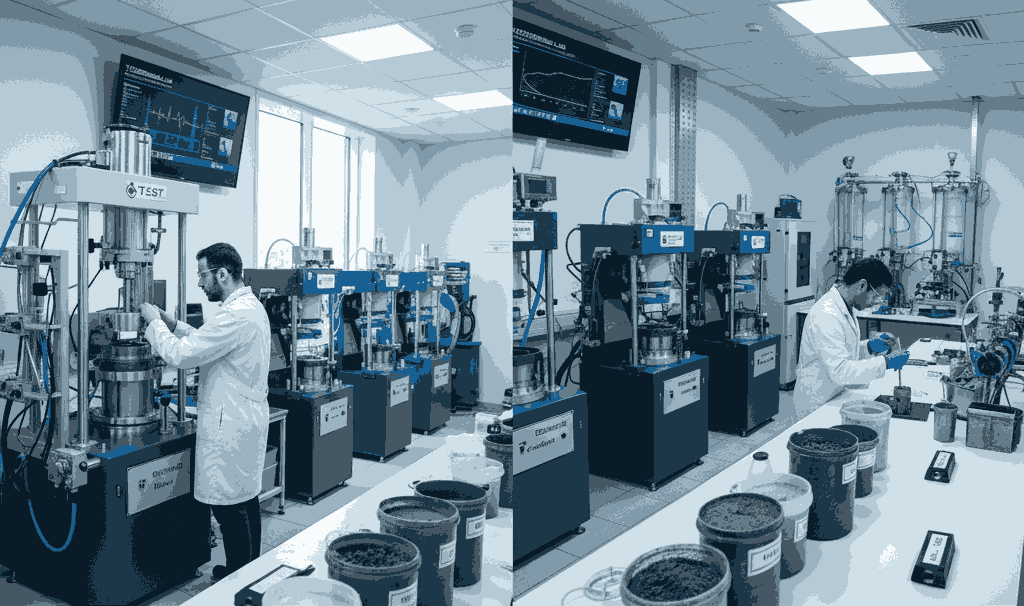
Timely Engineering Soil Tests, LLC
Key Soil Index Tests
We perform a comprehensive suite of tests to classify soil and determine its physical properties, adhering strictly to ASTM standards.
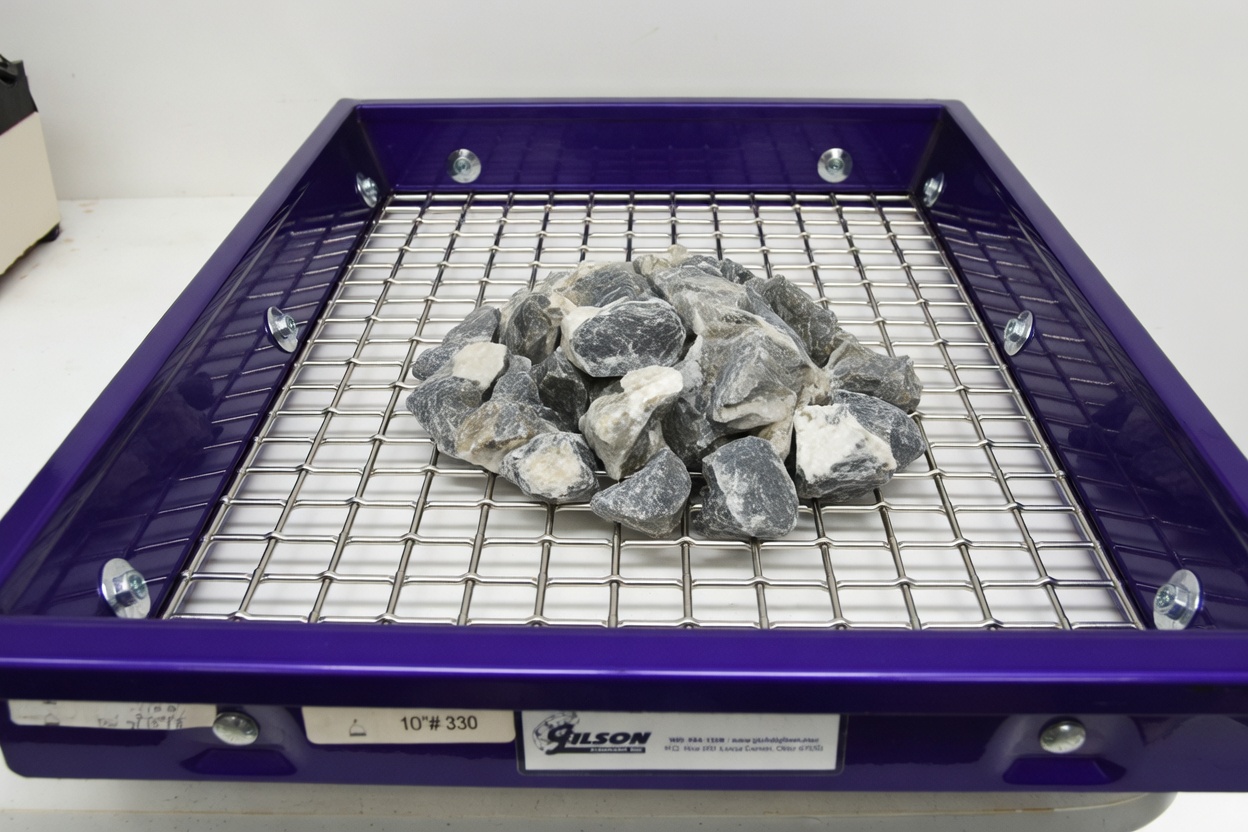
Sieve Analysis of Aggregates
This test method is used primarily to determine the grading of materials proposed for use as aggregates. The results are used to determine compliance of the particle size distribution with applicable specification requirements.
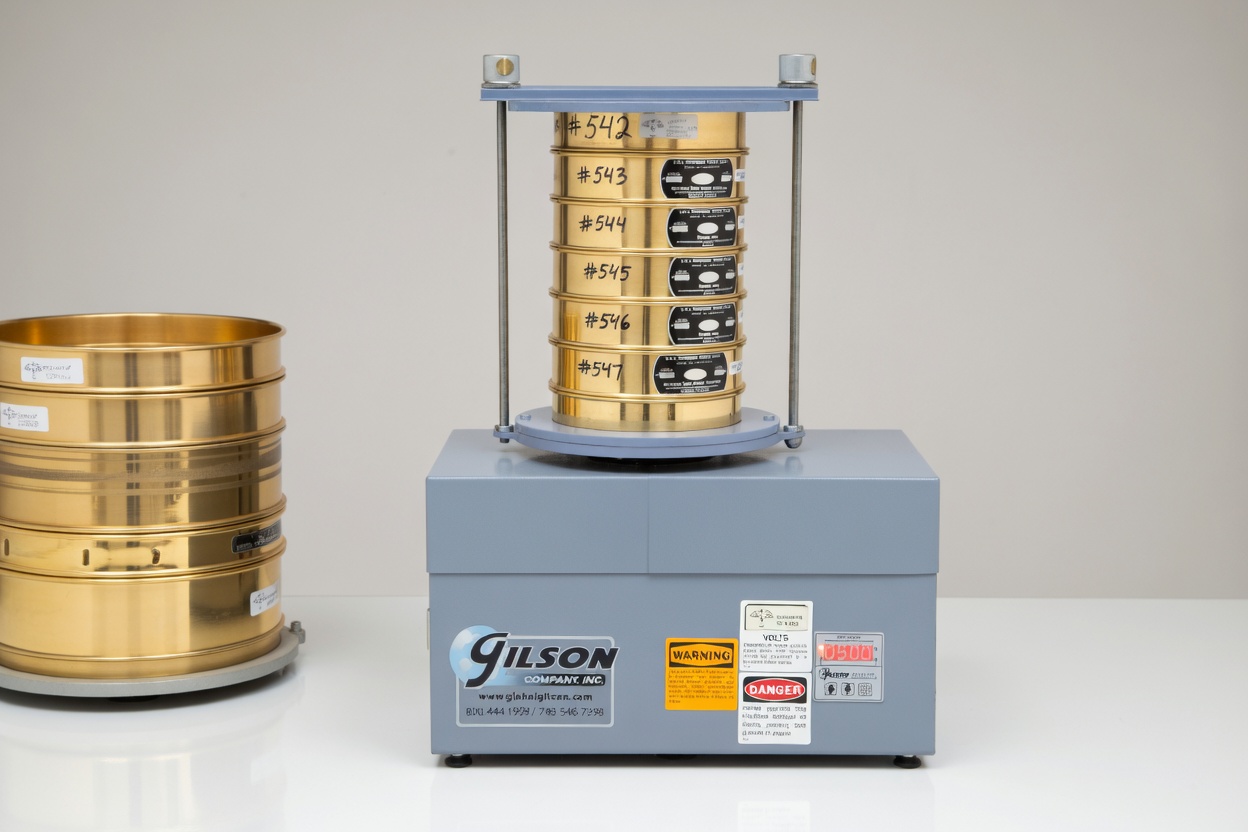
Sieve Analysis of Soil
This test method is used to separate particles into size ranges and to determine quantitatively the mass of particles in each range. These data are combined to determine the particle-size distribution (gradation) of soil.
.jpg)
Hydrometer Analysis
This test method covers the quantitative determination of the distribution of particle sizes of the fine-grained portion of soils, determining the gradation of material finer than the No. 200 (75-µm) sieve.
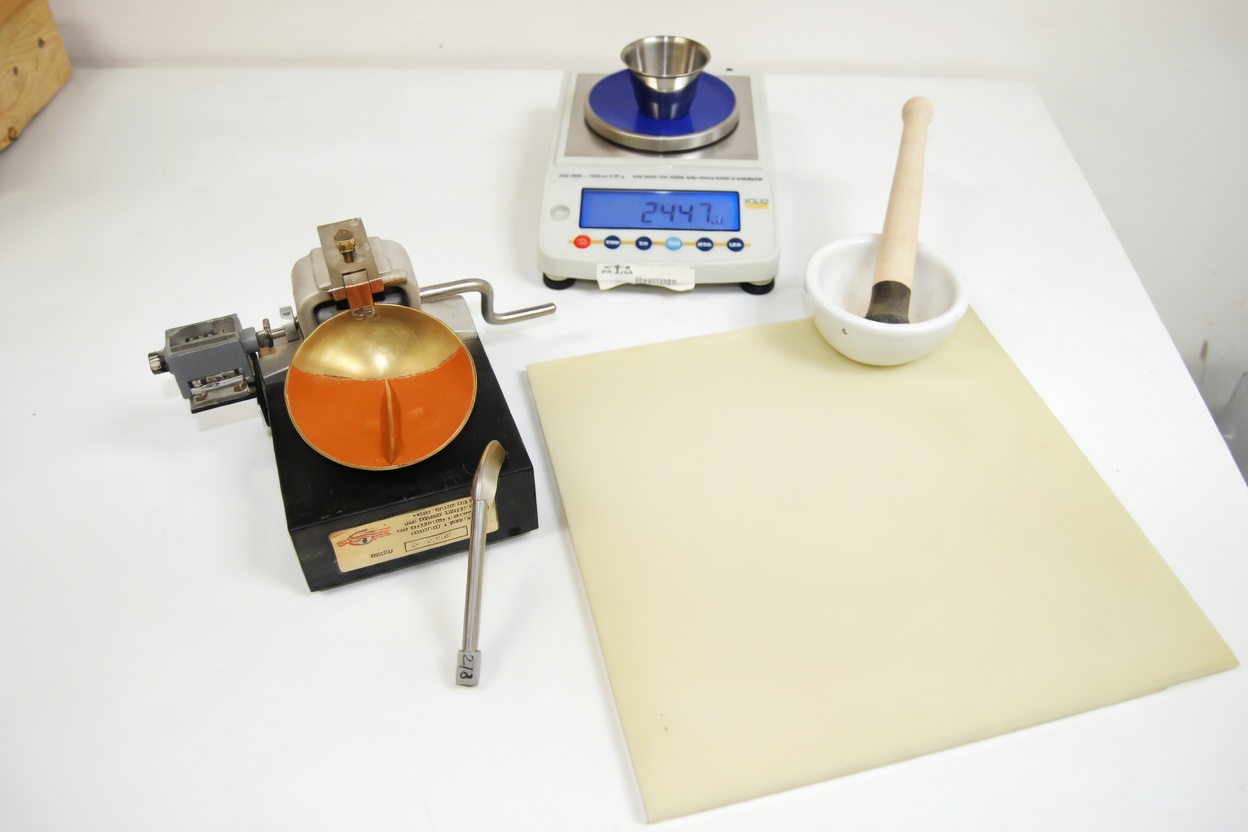
Atterberg Limits
These test methods cover the determination of the liquid limit, plastic limit, and the plasticity index of soils, which are crucial for classifying fine-grained soils.
Adherence to Industry Standards
Our laboratory procedures are strictly governed by the established test methods from ASTM International, ensuring our results are accurate, repeatable, and reliable.
ASTM D 2488: Standard Practice for Description and Identification of Soils (Visual-Manual Procedure)
This practice covers procedures for the description of soils for engineering purposes. This practice also describes a procedure for identifying soils, at the option of the user, based on the classification system described in Test Method D 2487. The identification is based on visual examination and manual tests. It must be clearly stated in reporting an identification that it is based on visual-manual procedures.
ASTM D 854: Standard Test Methods for Specific Gravity of Soil Solids by Water Pycnometer
These test methods cover the determination of the specific gravity of soil solids that pass the 4.75-mm (No. 4) sieve, by means of a water pycnometer. When the soil contains particles larger than the 4.75-mm sieve, Test Method C 127 shall be used for the soil solids retained on the 4.75-mm sieve and these test methods shall be used for the soil solids passing the 4.75-mm sieve.
ASTM D 422: Standard Test Method for Particle-Size Analysis of Soils (Historical Standard)
This test method covers the quantitative determination of the distribution of particle sizes in soils. The distribution of particle sizes larger than 75 μm (retained on the No. 200 sieve) is determined by sieving, while the distribution of particle sizes smaller than 75 μm is determined by a sedimentation process, using a hydrometer to secure the necessary data.
ASTM D 2974: Standard Test Methods for Moisture, Ash, and Organic Matter of Peat and Other Organic Soils
These test methods cover the measurement of moisture content, ash content, and organic matter in peats and other organic soils, such as organic clays, silts, and mucks.
ASTM D 2487: Standard Practice for Classification of Soils for Engineering Purposes (Unified Soil Classification System)
This practice describes a system for classifying mineral and organo-mineral soils for engineering purposes based on laboratory determination of particle-size characteristics, liquid limit, and plasticity index and shall be used when precise classification is required.
ASTM D 2216: Standard Test Methods for Laboratory Determination of Water (Moisture) Content of Soil and Rock by Mass
These test methods cover the laboratory determination of the water (moisture) content by mass of soil, rock, and similar materials where the reduction in mass by drying is due to loss of water.
ASTM D 1140: Standard Test Methods for Amount of Material in Soils Finer Than the No. 200 (75-μm) Sieve
These test methods cover determination of the amount of material finer than a 75-μm (No. 200) sieve by washing.